“You are beautiful in God’s eyes, you don’t have to be beautiful in the world’s eyes.”
But what if I want to be beautiful in the world’s eyes too?
“When you are virtuous, your inward beauty shines through and you become beautiful on the outside.”
What about the nice and virtuous people who aren’t blessed with the “right” proportions?
“Your identity is not in how you look, but in who you are as God’s child.”
Then why do people judge appearances so much?
Growing up in the church, I heard all kinds of messages about beauty and God’s standards towards it. I clung to verses like:
- “Man looks at the outward appearance, but the Lord looks at the heart.” (1 Sam. 16:7)
- “Charm is deceptive and beauty is fleeting, but a woman who fears the Lord is to be praised.” (Prov. 31:30)
I still love these verses and think of them often. But honestly, I clung to these verses for all the wrong reasons (more on this later). I clung to them without truly taking them to heart.

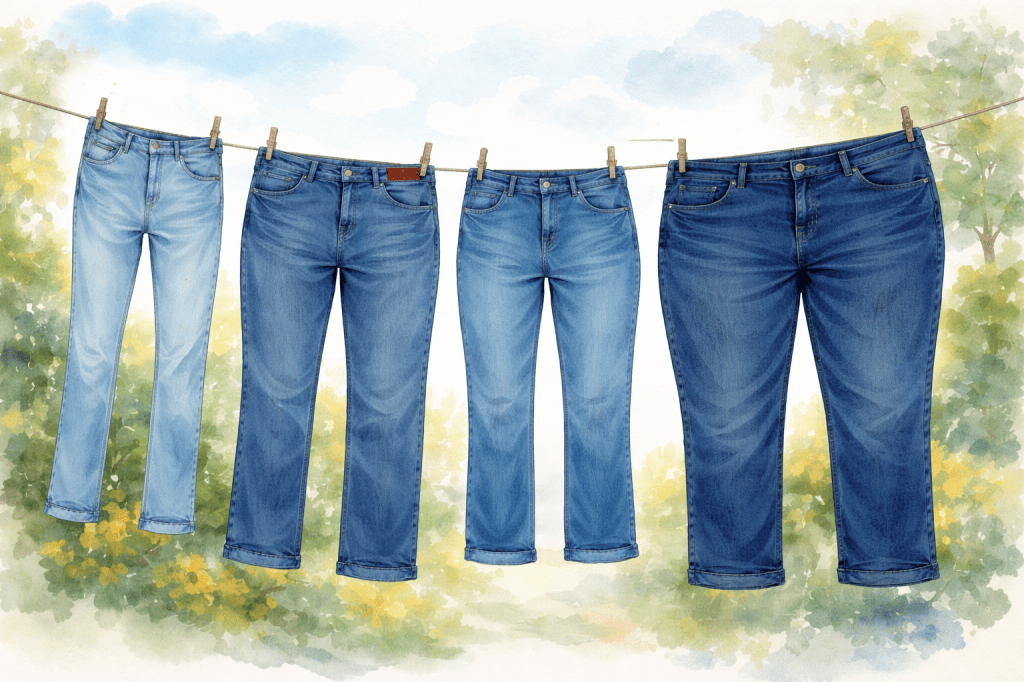
Fast forward to the spring of 2024. I had just returned to Tbilisi after months of traveling, and as I unpacked, I reached for a pair of favourite jeans I’d left behind. I pulled them on, but the denim didn’t give as much. They were a tight squeeze.
Immediately, I panicked. This had never happened to me before. During our travels, I hadn’t had time to exercise regularly, so I thought, “I’ll just get back into it.” And I did — but my thoughts started spiraling:
Why was this happening? I hadn’t gained that much weight. I never used to care about appearances — why now? Was I becoming vain? Shallow?
The thing is, I didn’t care how other people looked. So why was I suddenly obsessing over me?
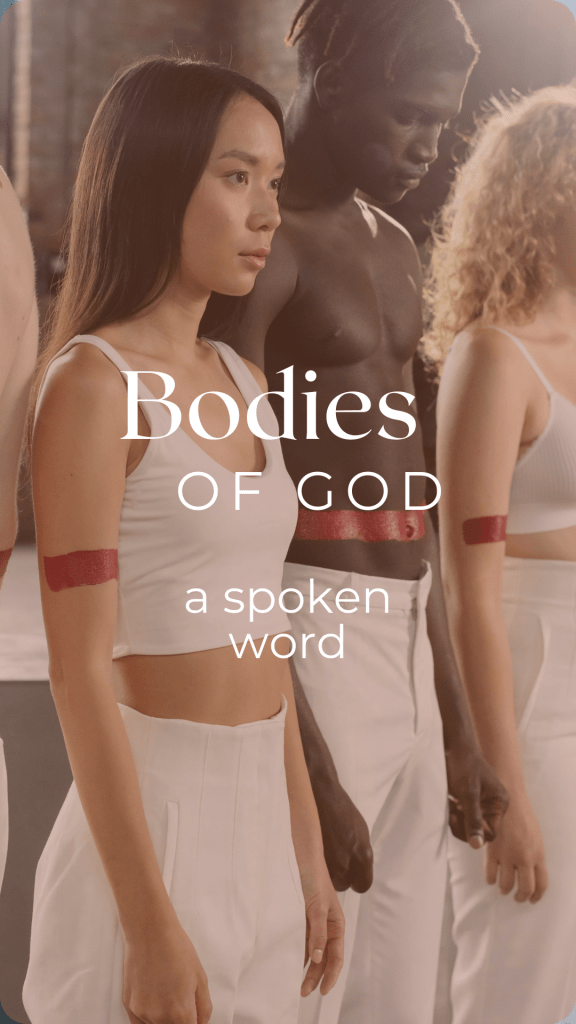
Maybe I was being shallow and needed to ask the Lord to redirect my thoughts. I even wrote a spoken word piece called “Bodies of God,” which helped me reframe things.
But there was something deeper happening — something I wouldn’t fully understand until later.
Fast forward (again) to 3 months postpartum. I had obviously gained a lot of weight during pregnancy – which I knew was supposed to happen and I was fine with that. I also was prepared that most women don’t just “bounce back” the way so much of society and the media expect women to. However, I was not prepared to feel so upset at myself for not being able to “lose the weight faster”.
Again, why was this happening? Did I not deal with my body image problems before?
One day, I spent probably 2 hours rummaging through my closet trying to find something that made me feel good. Nothing did. My body wasn’t what it used to be. I felt defeated and exhausted.
Peter eventually found me frustrated and teary-eyed. He took me by the shoulders, looked me in the eye, and said, “Anna, you just had a baby. Your incision is still healing. You are still beautiful, and it’s going to be okay.” Then he gave me one of those big, satisfying hugs I used to dream of when I was single (I needed that😅).
Later, I listened to a podcast on motherhood and body image. The guest, Heather Creekmore, mentioned that many women who never struggled with body image before do so postpartum — largely because of the loss of control.
Before having a baby, it’s easier to manage your body through exercise or activity. But postpartum — especially after surgery — you physically can’t. There are small things you can do, but even then, if you overdo yourself, your recovery can take even longer.
For me, it was over two months and my incision was still bleeding (not normal). My doctor had cleared me for exercise 6 weeks after birth, but when I tried doing even the smallest work-outs, my incision began to leak again. I got really frustrated and cried because “I just want to feel normal again”. But I also wondered what that “normal” was.
The lack of control I felt was overwhelming and I had to remind myself of what I was actually in control of.
This idea of control reminds me of when I was younger and I heard those Bible verses about how God’s standard of beauty is the heart (1 Sam. 16:7) and the world’s standard of beauty is fleeting (Prov. 31:30).
I remember hearing these verses as a kid and thinking that I was better than other people because “I might not be beautiful, but at least I am good and fear God”. Not only was this prideful, but it also put more of an emphasis on what I can control, rather than on what God can do, or teach me.
Focusing on what we can control is obviously not wrong (it has helped me with my mental health – knowing what is in my control and what is not), but it becomes wrong when we obsess over it.
Back then, I thought I could control my worth by how ‘good’ or ‘pure’ my actions were. I know I’m stepping into a deep theological minefield here lol—Arminianism vs. Molinism vs. Calvinism—but my point is this: I was trying to manage my standing with God the same way I later tried to manage my body. I was obsessing over my own ‘works’ rather than resting in His grace.
There are things you can control and things you can’t; we have to learn not to let either one become an idol.
Over time, I began to realize that even before I got pregnant, I was struggling with body image. I tracked down that I began to feel this way before I even got pregnant, back in the spring of 2024. So I asked myself this question for the umpteenth time: why was this happening?!
And then it hit me: Around that time, I started seeing and noticing more ads that would be presented to me on social media about programs I could join, or apps I could download, to lose weight. I was not overweight, nor was I actively looking for fitness programs through other search engines, so the algorithm literally had no business showing them to me.
The only reason I can think of that these ads are shown to me, is because the algorithm knows that I am a female in my late 20s and chances are that, due to statistics, I would be interested in those kinds of apps and programs.
Honestly, I wasn’t really worried about my weight, until I KEPT seeing these types of ads and I began to wonder, “maybe I should be trying to change my body…”. It’s crazy how this kind of messaging works and you don’t even realize it at first, but it is literally conditioning you into thinking that this is what beauty is.
I know that so much of beauty is subjective, yet many of us believe beauty is what is presented to us in the media.
This isn’t a new phenomenon either – I remember in high school discussing how photos are edited in magazines to make people look more “beautiful”.
And by the way, I’m not upset at the people who create the ads – I think a lot of them are just people who love fitness and want to help other people develop a passion for being fit too, and I get that. Because I actually like to exercise (when I am physically able and not recovering from birth lol). I’m just annoyed that the algorithm keeps showing me these ads when I don’t need them.
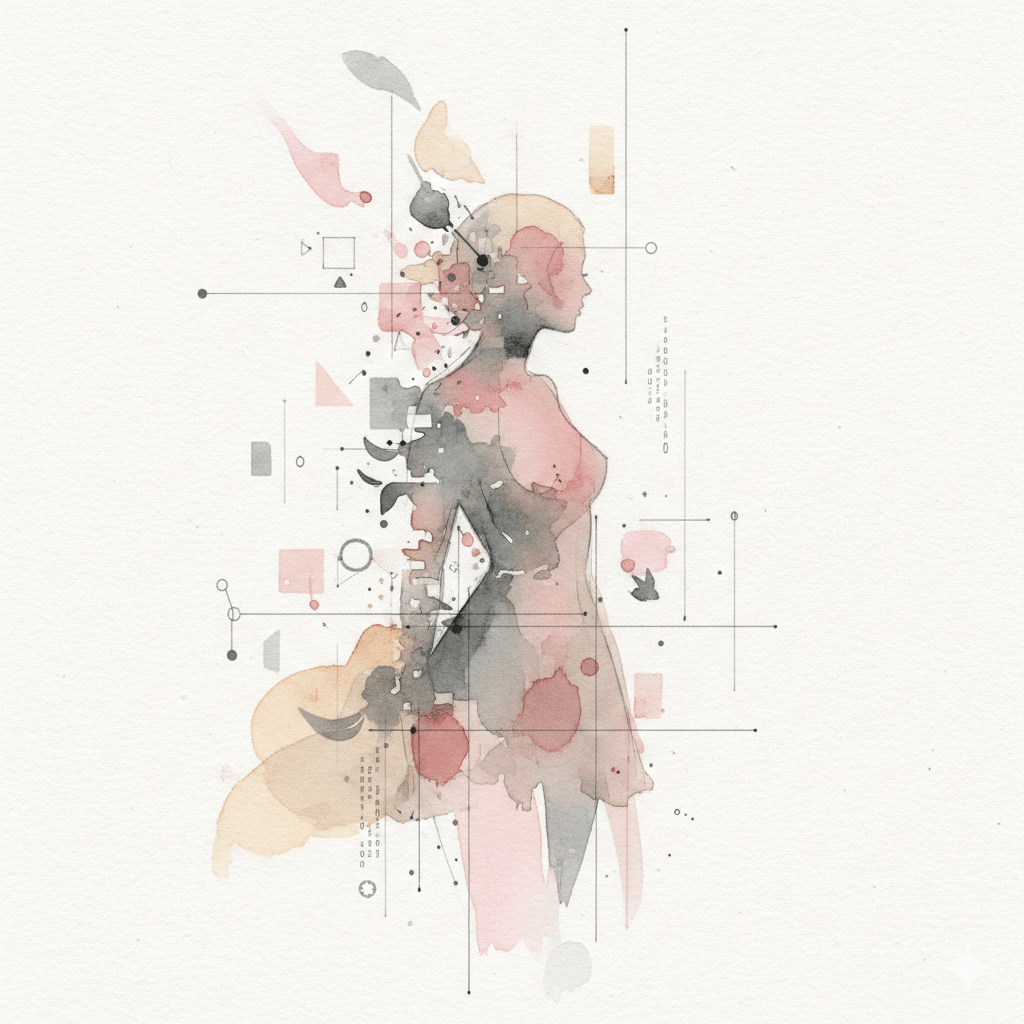
I don’t have a solution for filtering out those messages (sorry, lol), but I wanted to share this because I know I’m not alone. Whether postpartum or not, the pressure to have the “ideal” body is a lot.
The questions I asked at the beginning of this blog aren’t wrong. There’s nothing wrong with wanting to be beautiful in the world’s eyes.
But just like the idea of control that I wrote about earlier, it becomes a problem when that desire takes over our thoughts and becomes an obsession.
Beauty standards are ever-changing, and trying to keep up with them is exhausting. God didn’t call us to be slaves to the beauty industry. Instead, He calls us to see ourselves the way He sees us.
I have to constantly remind myself of God’s truths about me, and how He can use my body to bring Him glory – whether or not I meet the world’s standards of beauty.
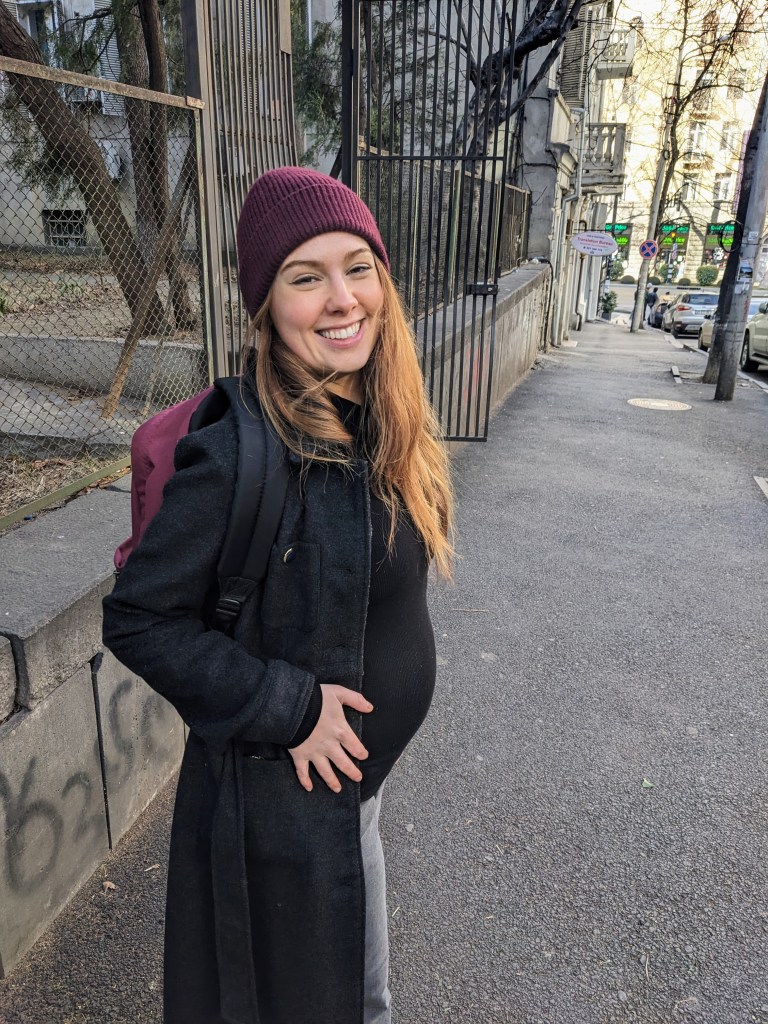
It’s amazing to think that about 8 months ago, I was carrying my son inside me — and now, here he is (and like most babies, he’s growing fast!) — all thanks to God and the incredible work He did through my body.
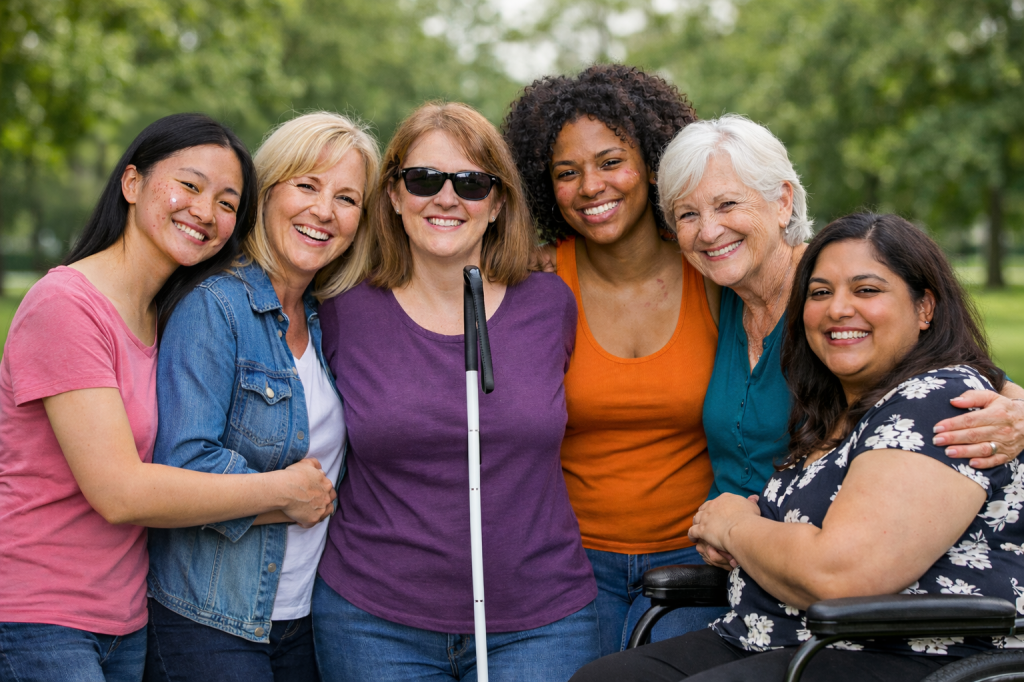
To counteract the constant messages about the “ideal” body, I wrote a list of things the world often calls ugly — and beside each one, I wrote “beautiful woman.”
Because yes, maybe some of the below attributes are ugly in the world’s eyes, but they are most precious in God’s, and that is what really matters.
It might sound silly, but speaking these truths aloud helps me believe them for myself. I can easily believe them for others, but for me? It takes practice. I hope that if you’re a woman struggling, you can start believing it for yourself as well.
A tired woman is a beautiful woman.
A “flabby” woman is a beautiful woman.
A scarred woman is a beautiful woman.
A wrinkled woman is a beautiful woman.
A stretch-marked woman is a beautiful woman.
A skin-sagging woman is a beautiful woman.
A hairy woman is a beautiful woman.
A “too skinny” woman is a beautiful woman.
A hefty woman is a beautiful woman.
A socially awkward woman is a beautiful woman.
A big-nosed woman is a beautiful woman.
A big-eared woman is a beautiful woman.
A deaf woman is a beautiful woman.
A blind woman is a beautiful woman.
A disabled woman is a beautiful woman.
A too-much-plucked-eyebrowed woman is a beautiful woman.
An acne-prone woman is a beautiful woman.
A dry-haired woman is a beautiful woman.
A big-pored woman is a beautiful woman.
A warted woman is a beautiful woman.
A sometimes-sad woman is a beautiful woman.
A sometimes-angry woman is a beautiful woman.
A grey-haired woman is a beautiful woman.
A child-of-God woman is a beautiful woman.
I am a beautiful woman.

 Edifying pen